Solar Installations
Reduce Your Monthly Energy Costs Permanently
Solar Installations in Detroit for homeowners facing rising utility bills and seeking measurable long-term savings
Cogent Electric LLC installs solar photovoltaic systems for Detroit residences, helping convert sunlight into electricity and reduce dependence on the grid. A properly sized solar array can offset a significant portion of rising utility bills. The process begins with an assessment of your roof, electrical panel, and energy usage to determine panel capacity and expected power generation.
Detroit's ample sunlight allows for effective solar returns despite seasonal changes. The installation includes durable mounting hardware for local weather challenges, and your electrical system integrates an inverter to convert the panels' direct current into usable alternating current. A bidirectional meter tracks energy flow to and from the grid, and local permits and inspections ensure compliance with codes.
In addition to residential services, Cogent Electric LLC offers commercial solar installations to help businesses reduce costs and enhance energy efficiency. These systems are engineered to fit your building’s energy needs and installation areas, minimizing disruption during the process.
To explore your property's energy potential, contact Cogent Electric LLC for a site evaluation and personalized system design.
What Happens During a Solar Installation
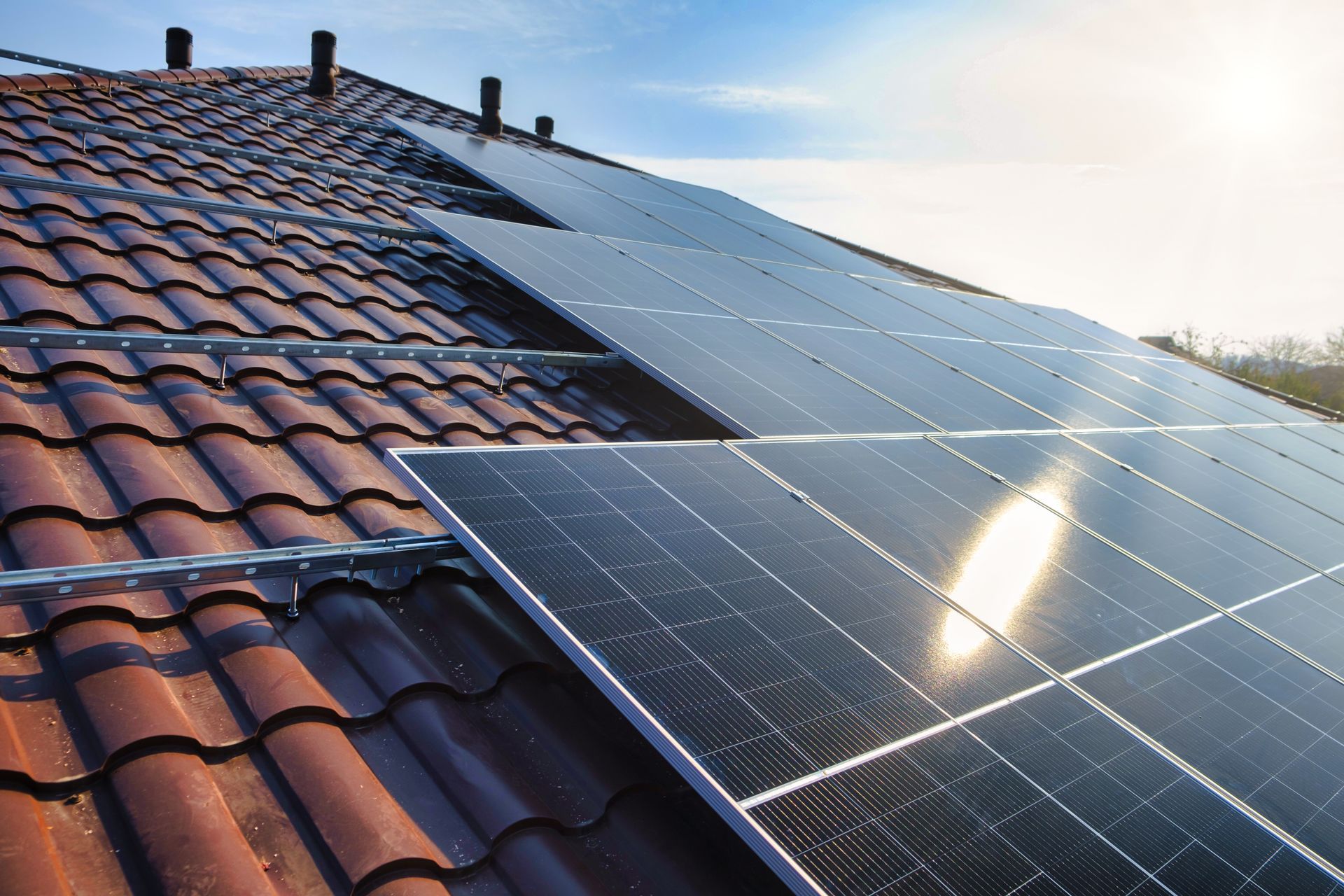
You'll start with a site visit where the crew measures your roof, checks for shading from trees or nearby structures, and inspects your main electrical panel to confirm it can handle the added load. The design phase follows, where panel count, inverter type, and mounting layout are finalized based on your energy goals and budget. Once permits are secured, installation typically takes one to three days depending on system size and roof complexity.
After the panels are mounted and wired, Cogent Electric LLC connects the system to your main panel and completes a final inspection with the local authority. You'll notice your meter running backward on sunny days when your system produces more power than you use, sending the surplus back to the grid and earning credits that offset evening and nighttime consumption. On your next billing cycle, you'll see the reduction reflected in kilowatt-hours consumed from the utility.
The work does not include battery storage unless specifically added to the scope, and tree trimming or roof repairs must be completed before installation begins. System monitoring is available through an app that shows real-time production, daily totals, and historical trends so you can track performance across seasons and identify any drop in output that may signal a maintenance need.
Questions About Solar Systems and Installation
Homeowners in Detroit often ask about system performance during winter months, roof compatibility, and what happens during a power outage. These answers address the most common concerns.
How much energy will my system produce in Detroit?
Your system's output depends on roof angle, orientation, and shading, but a typical residential array in Detroit generates between seventy and eighty percent of its rated capacity annually, with peak production from late spring through early fall.
What happens to my solar panels when it snows?
Snow usually slides off tilted panels within a day or two as the sun warms the surface, and light snow cover often melts quickly due to the dark panel backing absorbing heat even on overcast days.
Will my solar system work during a power outage?
Standard grid-tied systems shut down automatically when the grid goes offline to protect utility workers, so you won't have power during an outage unless you add a battery backup system with islanding capability.
What roof types can support solar panels?
Asphalt shingle, metal, and flat membrane roofs are all suitable, but the roof must have at least fifteen years of serviceable life remaining and be structurally sound enough to carry the added weight of the racking and panels.
How long does it take to see a return on the investment?
Most residential systems in Detroit pay for themselves in eight to twelve years through utility savings and available tax credits, after which the electricity generated is essentially free for the remainder of the system's lifespan.
Cogent Electric LLC can walk you through the financial projections and system options during a consultation, so you understand the timeline and output expectations before committing to the installation.